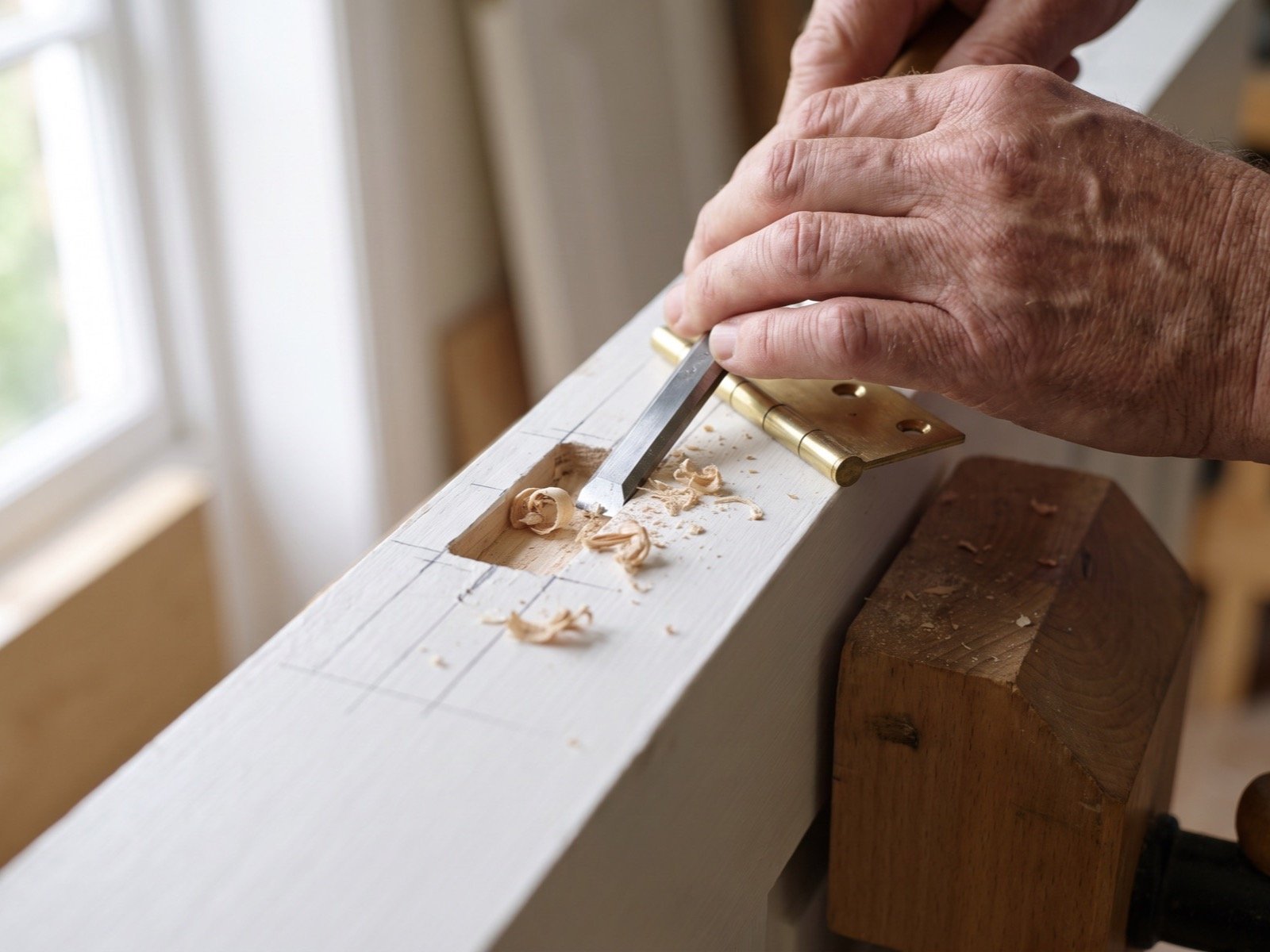
A router bit leaves a rounded corner, but a hinge leaf is square. Screw the leaf down over that curve and the door sits proud, the paint cracks along the edge, and the screws work loose the next time the door slams.
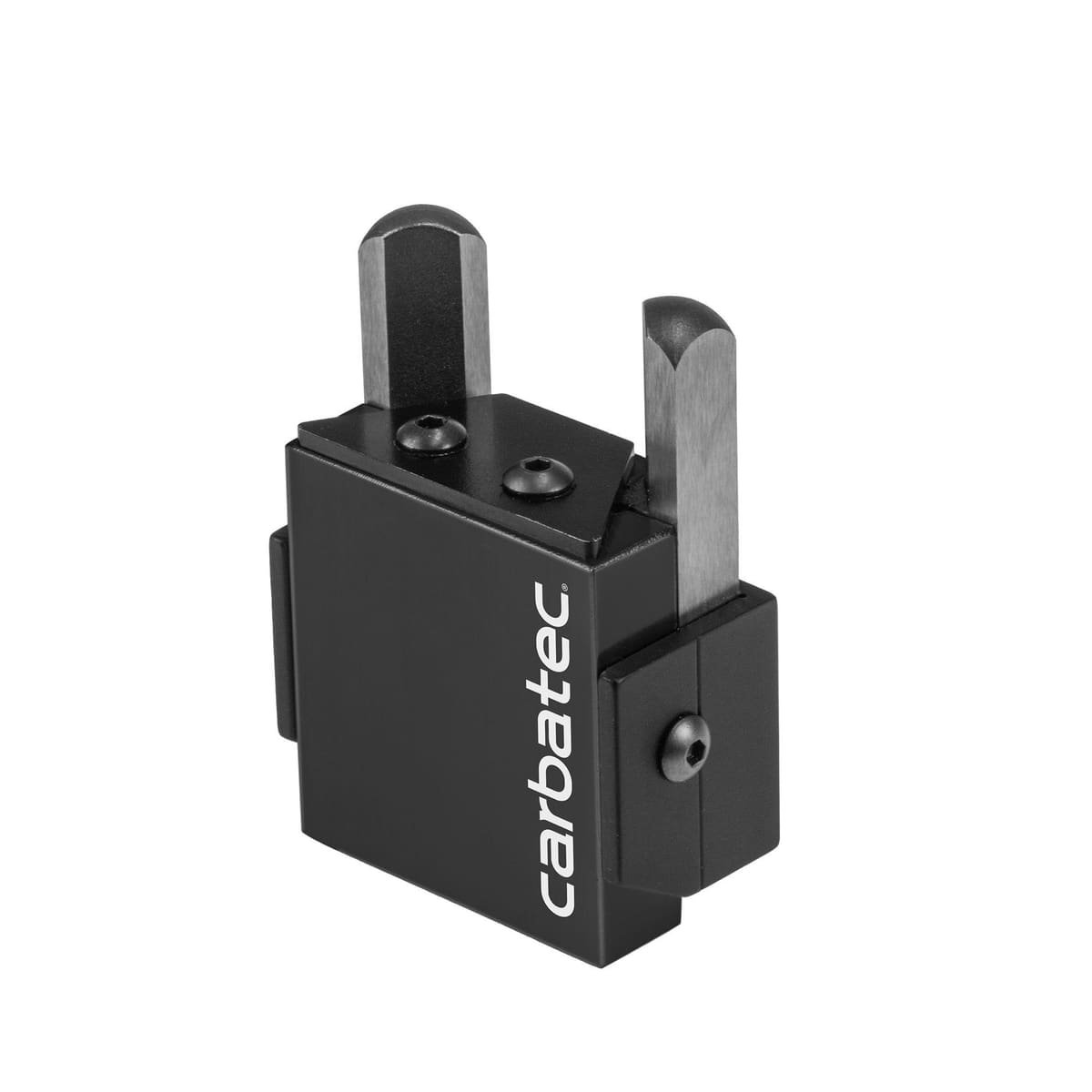
A corner chisel is the small tool made for that pocket. One example in the catalogue is the Carbatec double spring corner chisel; a bevel-edge chisel can pare the same corner by hand. Elesin sells these tools but doesn’t make them. The brand on the card is the manufacturer.
Work in this order
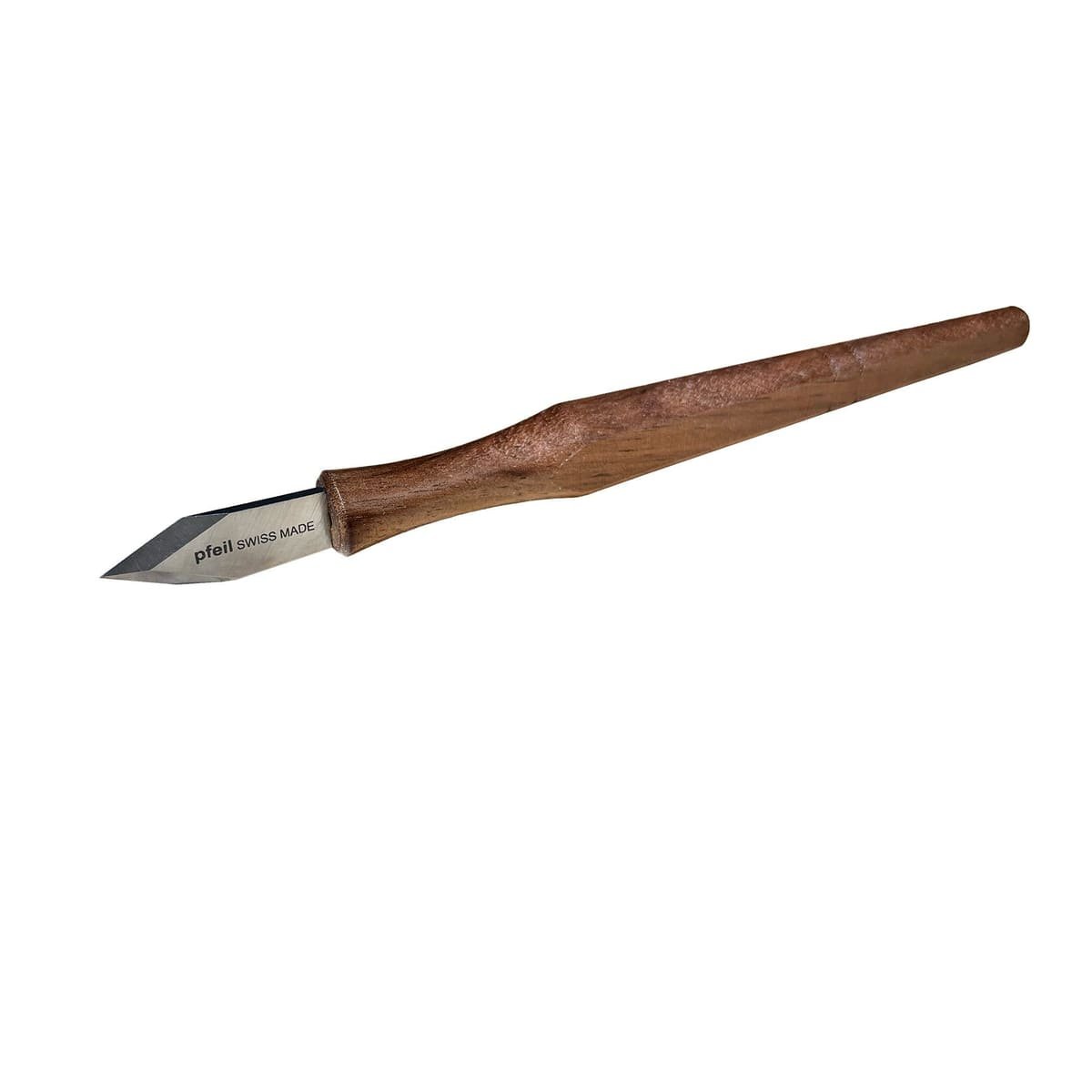
- Position the hinge and mark around the leaf with a knife, not a pencil. A pencil line is wider than the gap you’re trying to close.
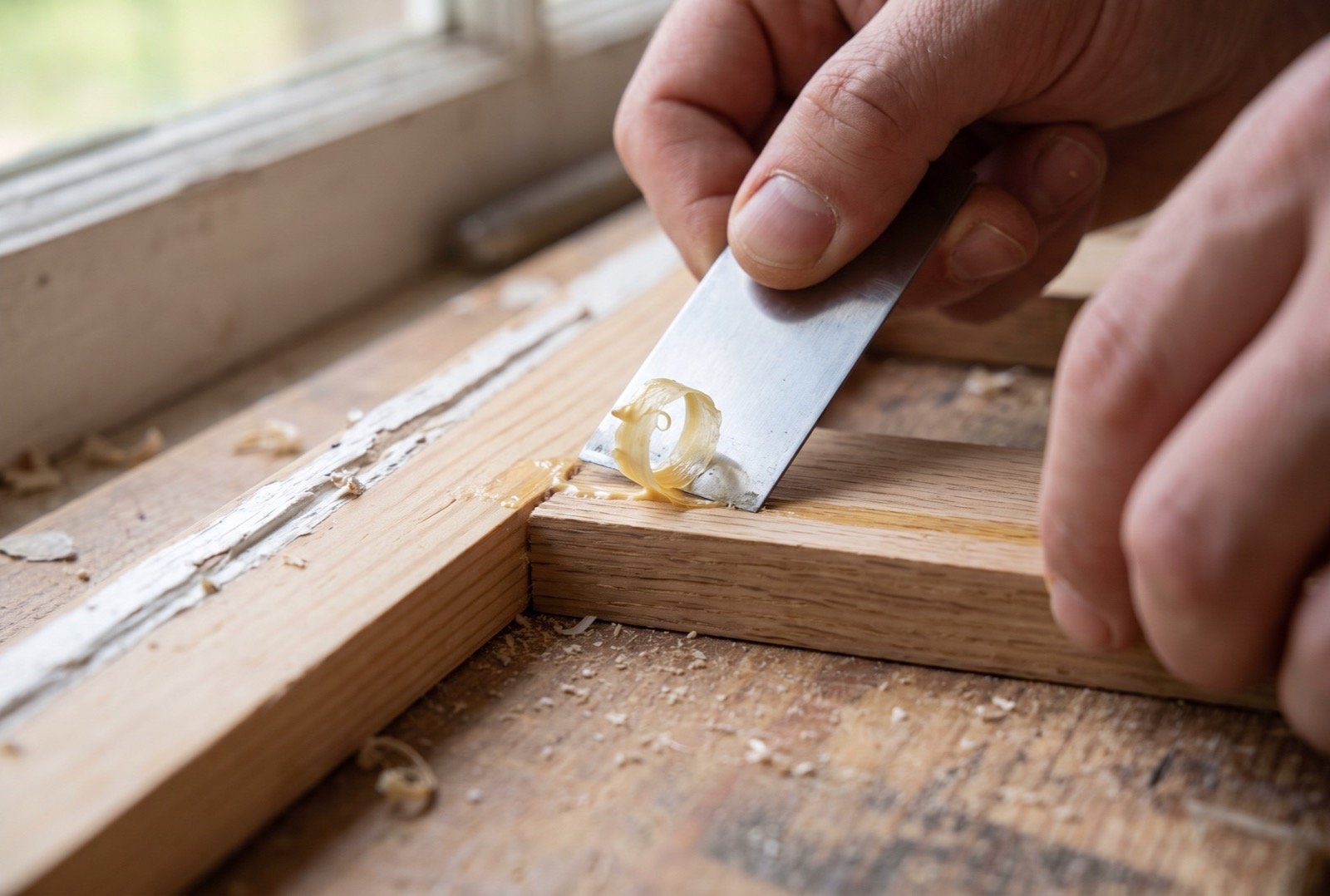
- Chop down to depth around the mark, staying inside the line. Pare the waste from the centre out toward the line.
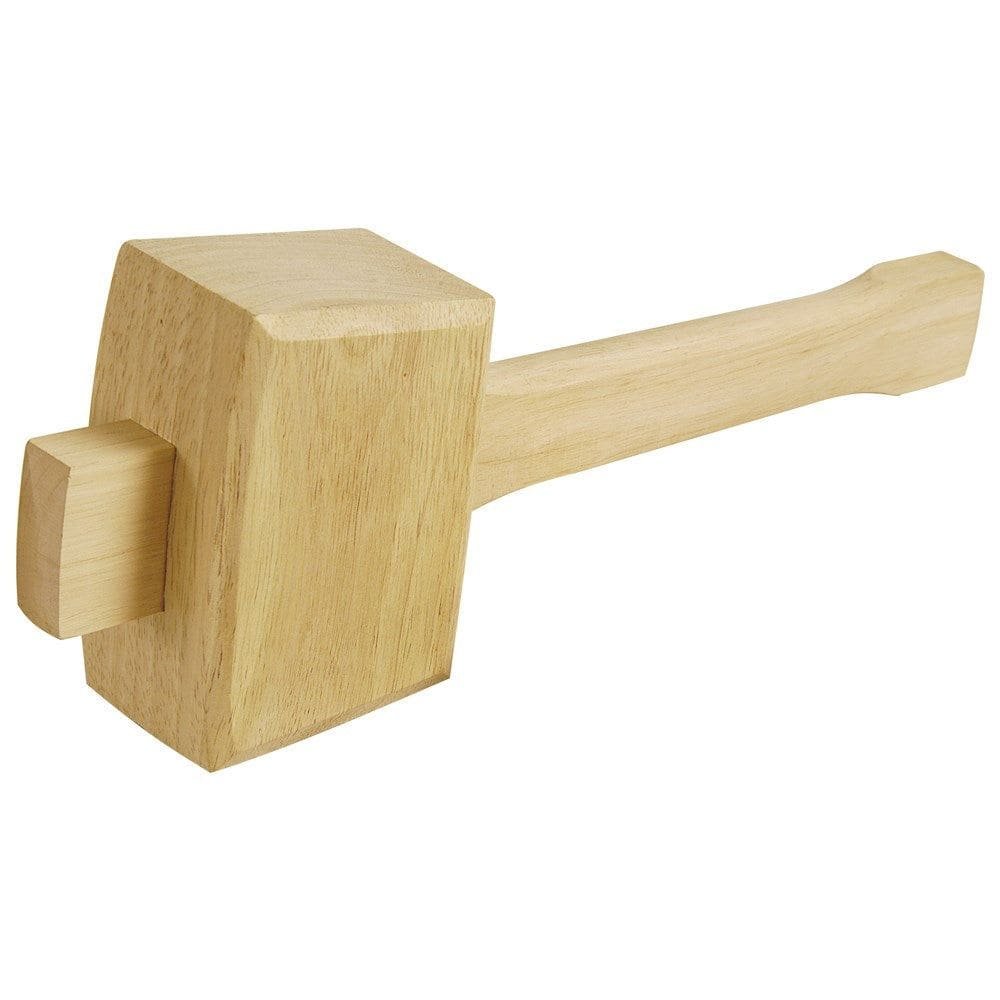
- Seat the corner chisel on the rounded corner and give it a single strike with a wooden mallet. Don’t twist the chisel in the cut — that tears the fibres in soft pine and on a painted architrave.
- Test-fit the leaf. It should sit flush with the edge, not below it. Cut the recess too deep and the hinge will bind.
Choose the right striker
Use a wooden carpenter’s mallet. A steel hammer mushrooms a wooden handle and can chip a thin corner chisel. You’ll find both under chisels and site extras.
This guide is for householders and small contractors who already plan to hang or rehang a door. If the jamb is rotten, or the opening is further out of square than a hinge can absorb, call a carpenter. A chisel won’t fix that.