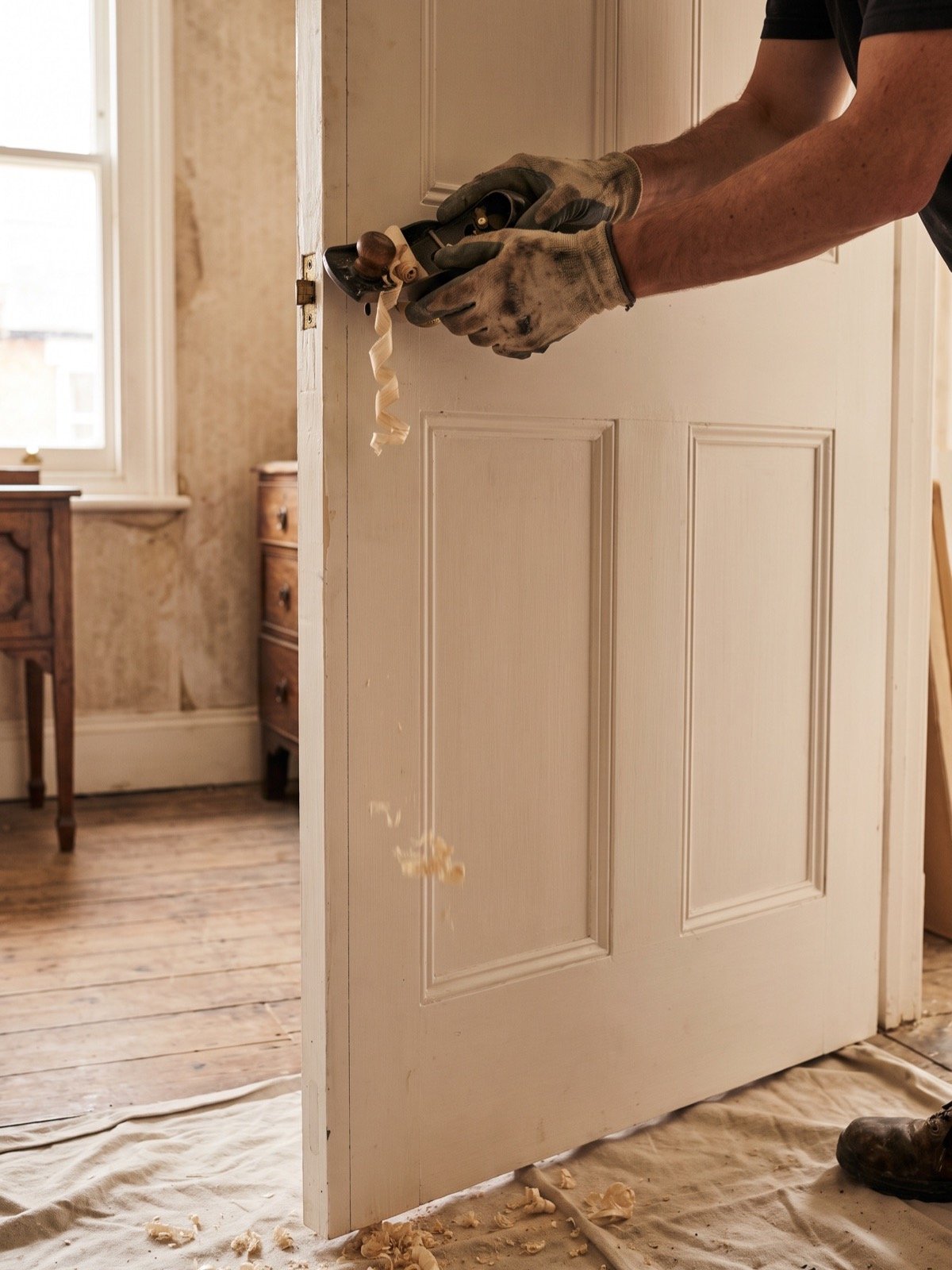
Older British houses move with the seasons. A door that shut fine in a dry August can bind in a damp January once the timber takes up moisture — or the reverse after the heating goes on. Find the high spot before you plane the full edge.
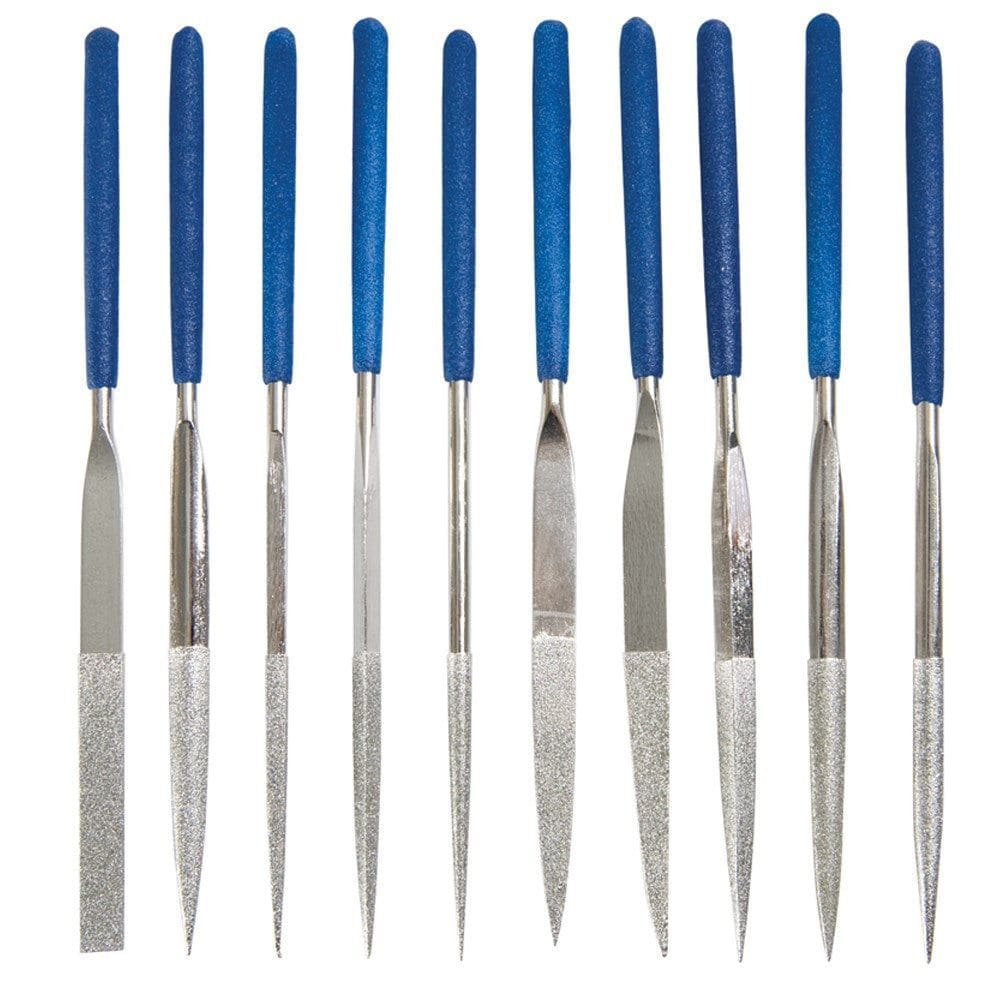
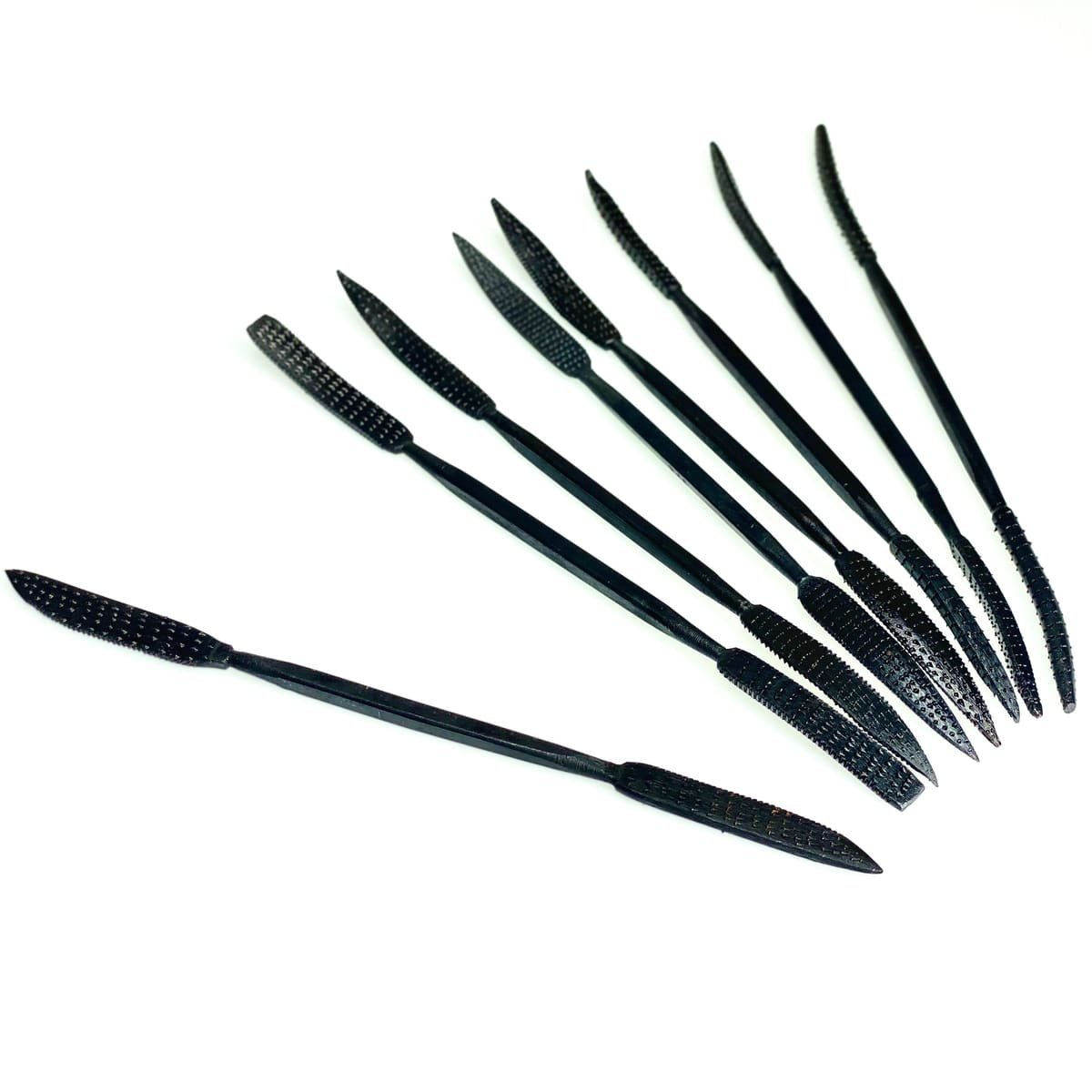
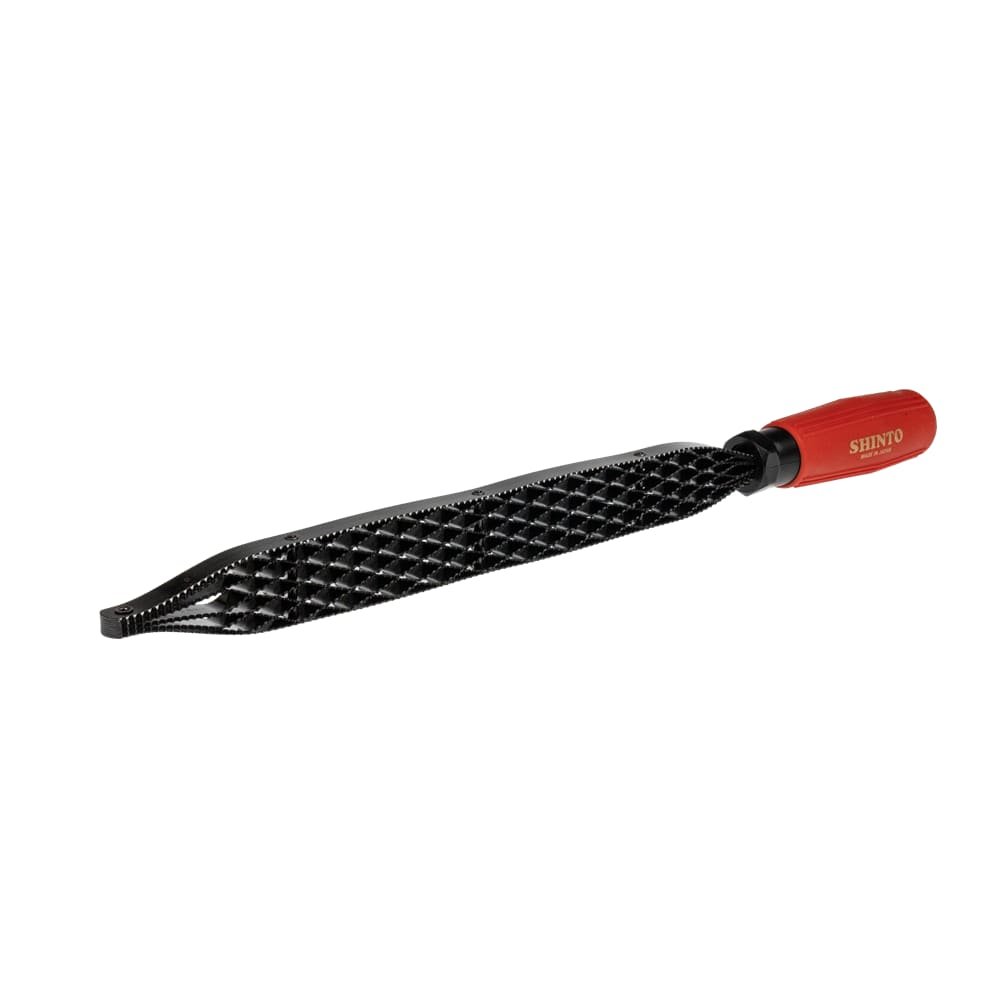
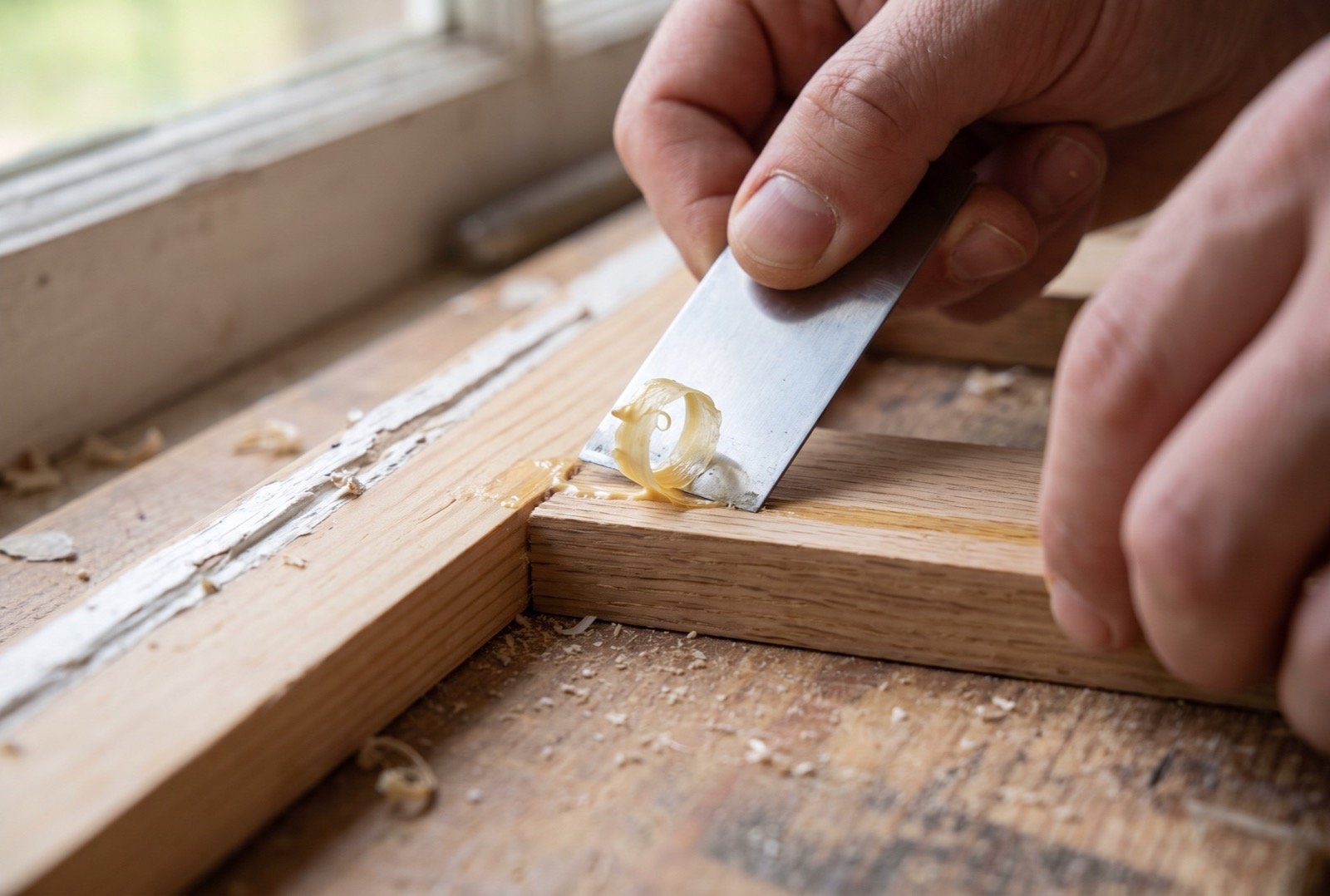
Shut the door on a strip of paper, or look for a shiny rub mark in the paint. That mark is the only place that needs material off. A rasp or file removes it without the tear-out a plane can leave on a painted edge, and without filling the hallway with belt-sander dust.
A few strokes, then test
Work outward from the high spot, then close the door again. Stop when a sheet of paper slides through with light resistance. Keep going until the door swings free in the wettest month and it will rattle in a dry one.
Where it usually rubs
- Top corner against the head of the jamb: usually seasonal swelling in the door or the head.
- Latch side, close to the strike: the door has dropped on its hinges. Tighten or pack the hinge screws first — that often solves it before any timber comes off.
- Bottom edge: a new floor or a swollen threshold. That’s no reason to cut into the latch stile.
Sometimes the culprit is the strike plate, not the door. Check it before you take a rasp to the edge. Our files and rasps, including Carbatec sets and a Topman saw rasp, are under files and rasps. Stop if the jamb is rotten, if the hinge screws pull out of the timber, or if it’s a fire door. None of those is a file job.